 how-to
Tips for Showing Your Home: A Seller's 2026 Checklist
Table of Contents
- Why the First 15 Seconds Decide Your Sale
- Your Pre-Show Home Showing Checklist for Sellers
- Curb Appeal Tips for Selling a House Fast
- What to Do During a Home Showing (Minute by Minute)
- Depersonalize to Help Buyers Picture Themselves
- Smart Home Privacy and Security Protocols
- Gathering Feedback to Refine Your Showing Strategy
- Final Walkthrough: Your Last-Minute Showing Routine
- Frequently Asked Questions
Last Updated: September 5, 2026
Why the First 15 Seconds Decide Your Sale
Prospective buyers form a lasting impression of your property within seconds of pulling into the driveway, often before they even step through the front door. This snap judgment sets the emotional tone for the entire walkthrough, and it is remarkably difficult to reverse once it takes hold. The most effective tips for showing your home all trace back to one principle: manage that initial sensory experience with intention.
Buyers are not evaluating your home the way you do. They are scanning for friction, for anything that signals hidden maintenance costs or a layout that fights their daily routine. At Lysting Direct, we provide a professional, limited-service way to place your property on the MLS and reach buyers, and the difference between a buyer who lingers and one who checks their watch often comes down to preparation completed days earlier, not minutes before the doorbell rings.
Below is a complete seller's checklist, from curb appeal to the final walkthrough, so you can present a property that feels move-in ready and genuinely hard to leave.
Your Pre-Show Home Showing Checklist for Sellers
A home showing checklist for sellers should be executed in the days before a visit, not the hour before, because rushed preparation is always visible to a trained eye. Start with a room-by-room decluttering pass, removing anything that shrinks the perceived square footage, such as oversized furniture or countertop appliances. Follow this with a deep clean of high-traffic areas, especially kitchens and bathrooms where buyers will run the sniff test and inspect grout lines.

The goal is a blank canvas that smells fresh and looks effortless. Open every curtain to maximize natural light, and consider swapping heavy drapes for lighter sheers during the listing period. A common mistake is forgetting the exterior of the windows themselves, since dirty glass dulls even the brightest rooms. Buyers who see a meticulously maintained interior assume the mechanical systems received the same care.
Curb Appeal Tips for Selling a House Fast
Curb appeal tips for selling a house fast are not about expensive renovations; they are about signaling that the property has been loved and maintained. The front door is your primary focal point, so ensure it is clean, freshly painted if needed, and fitted with polished hardware. Landscaping should be tidy but not overdone, with edges trimmed, lawn mowed, and dead plants removed from beds.
The driveway and walkway deserve equal attention, as cracked concrete or oil stains immediately raise questions about the home's foundation and upkeep. A simple pressure wash often resolves these issues for minimal cost. Exterior maintenance also extends to gutters, which should be clear of debris, and windows, which should be streak-free from the outside.
Guidance from the National Association of Realtors on exterior condition consistently shows that buyers struggle to see past exterior flaws, regardless of how attractive the interior is. If you are selling during a season with less foliage, pay extra attention to the hardscaping, since more of it is visible. First impressions begin at the curb, and this is the cheapest marketing you will invest in.
What to Do During a Home Showing (Minute by Minute)
A successful showing is a choreographed event, not a casual visit. The difference between a buyer who stays for 10 minutes and one who lingers for 30 often comes down to how you manage the flow. This section breaks down the showing into distinct phases, with specific actions and the buyer psychology behind each one.
Pre-Arrival (30 Minutes Before)
Your work starts long before the buyer rings the bell. Complete your final walkthrough checklist, then do a last sweep for any personal items that have reappeared. Turn on every light in the house, including closets and the basement. Open all interior doors to create a sense of flow and make rooms feel larger. Set the thermostat to 68-72°F (20-22°C) regardless of the season, a comfortable temperature signals a well-maintained HVAC system. Start soft, instrumental background music at a volume just above a whisper.
The Arrival (Minutes 0-2)
Greet buyers at the door with a warm smile and a brief introduction. If you are present, offer a simple orientation: "The main living areas are on this floor, the bedrooms are upstairs, and the backyard is through the kitchen." Then, step back. This is the most critical moment of the entire showing. Buyers need to feel like they are exploring a potential home, not being pitched to. Trail them only if they ask a direct question. If you are using a limited-service platform and are not present, ensure your agent or a designated representative provides this orientation.
The Walkthrough (Minutes 2-20)
This is where most sellers make their biggest mistake: they talk too much. Resist the urge to narrate every room or share your favorite memories. Instead, let the house speak. If a buyer pauses in a room, that is your cue to offer one or two specific, factual points, "This closet has custom shelving," or "The water heater was replaced in 2023." Avoid subjective language like "cozy" or "charming." Point out the things they might miss: a walk-in pantry, a mudroom, or a newly insulated attic.
The Pivot (Minutes 20-25)
If a buyer seems engaged but hesitant, this is your moment to address unspoken concerns. Buyers often hesitate to open closets or look behind furniture for fear of appearing nosy. Proactively open a few key closets and say, "Take a look at the storage space." If the home has a feature that addresses a common objection, like a home office or a finished basement, guide them toward it. This is not about being pushy; it is about removing friction from their decision-making process.
The Departure (Minutes 25-30)
As the showing winds down, ask for feedback directly. Most buyers will be polite, so make it easy for them to be honest. Say, "I know it's hard to evaluate a home in 20 minutes, but was there anything that stood out as a concern?" This invites a candid response without putting them on the spot. Thank them sincerely for their time, and let them know you are available for questions through your agent or platform.
The Post-Showing Debrief (Immediately After)
Within 30 minutes of the showing ending, write down everything you observed. Did the buyers linger in the kitchen? Did they skip the basement? Did they ask about the school district or the commute? These behavioral cues are worth more than any verbal feedback. If you are selling through a limited-service platform, the responsibility for this data collection falls on you. Send a follow-up message to the buyer's agent within 24 hours to thank them and invite any additional questions.
Depersonalize to Help Buyers Picture Themselves
Depersonalization is the process of removing your identity from the home so prospective buyers can mentally project their own life onto the space. This means packing away family photographs, personal collections, religious items, and any decor that reflects a specific taste or lifestyle. The goal is neutral decor that appeals to the broadest possible audience.
The psychological principle is straightforward: a buyer who sees your family photos feels like a guest, while a buyer who sees a clean, neutral interior feels like a future owner. This is particularly important for demographic-specific staging, since a nursery painted in bright pink or a basement bar themed around a favorite sports team narrows your buyer pool significantly. Strip the home back to its architectural bones and let the layout sell itself.
Consumer research on home staging and buyer behavior reinforces that staged, depersonalized homes tend to resonate more strongly with buyers during the decision process. Financial documents, mail, and valuables should also be removed or locked away, both for privacy and security during showings. This is also the moment to address minor repairs, like a dripping faucet or a sticking door, because buyers notice small defects and assume larger ones lurk beneath the surface.
Smart Home Privacy and Security Protocols
Smart home devices introduce a modern complication that many sellers overlook: your personal data may be accessible to strangers during a showing. Before listing your property, reset all smart devices to factory settings, including thermostats, doorbells, security cameras, and voice assistants. Log out of associated apps and remove any personal routines or schedules that could reveal your daily patterns.
Security cameras present a particular dilemma, since you may want to monitor activity during an open house, but recording buyers without consent raises privacy concerns. A practical approach is to disable interior cameras entirely and rely on exterior cameras only if they are clearly visible and disclosed. Voice assistants should be unplugged or muted, as they can accidentally trigger and record conversations during a walkthrough.
The Federal Trade Commission guidance on smart device security recommends treating any device that connects to your network as a potential entry point for personal data. Buyers are increasingly savvy about these risks, and a home with visible smart devices that are not properly reset can raise red flags about the seller's attention to detail. Show-ready means secure, so take the time to clear your digital footprint just as thoroughly as you clear your closets.
Gathering Feedback to Refine Your Showing Strategy
Post-showing feedback is the most underutilized tool in a seller's arsenal, yet it provides the direct insight needed to adjust your strategy between visits. Ask your real estate agent or, if you are selling for sale by owner, request that buyers' agents relay honest comments about pricing, condition, and layout concerns. Patterns across multiple showings are far more valuable than any single opinion, so track feedback in a simple spreadsheet.
Buyers often hesitate to criticize a home in person, so the feedback you receive may be vague or overly polite. Push for specifics by asking pointed questions: Was the home priced competitively for its condition? Did the layout feel functional? Were there any odors or maintenance issues that stood out? This information allows you to make targeted improvements, such as adjusting the listing price or tackling a lingering repair.
| Feedback Signal | Likely Issue | Recommended Fix |
|---|---|---|
| "Too small" | Clutter or poor furniture arrangement | Further declutter, remove oversized pieces |
| "Needs work" | Visible deferred maintenance | Address minor repairs, freshen paint |
| "No comment" | Neutral experience, no emotional hook | Enhance lighting, add subtle staging |
| "Price concern" | Overpriced for condition | Reassess pricing strategy with agent |
This feedback loop is what separates passive sellers from active ones who control their sale timeline. If you are managing the process through a limited-service platform, the responsibility for collecting this feedback falls on you, so build it into your routine immediately after each showing.
Final Walkthrough: Your Last-Minute Showing Routine
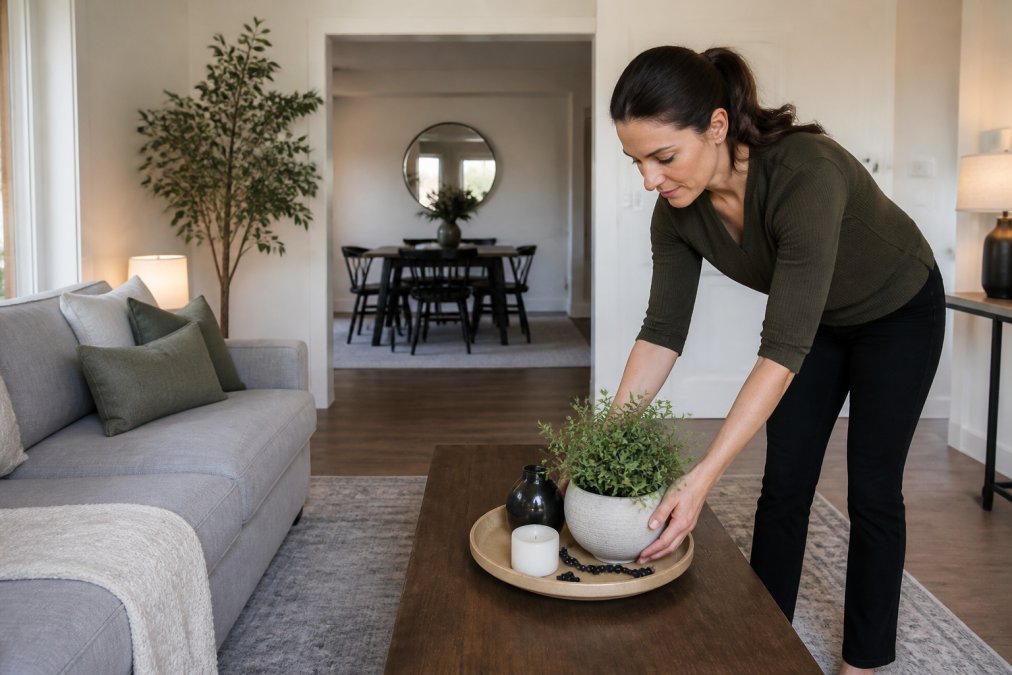
The final walkthrough is your 30-minute rehearsal for perfection, executed on the morning of every showing. Start by walking through each room with fresh eyes, checking for any clutter that has reappeared, dishes left in the sink, or beds left unmade. Fluff pillows, straighten rugs, and ensure every trash can is empty, even in bathrooms and home offices where buyers will peek.
Complete the routine by addressing the sensory details that make a home memorable. Light a subtle candle or bake something simple, like cookies or bread, to fill the air with a warm, inviting scent, but avoid anything overpowering. Check that all lights are on, doors are unlocked according to your agent's instructions, and the temperature is set for comfort. Do a last sweep of any personal items that may have been left out, from phone chargers to toothbrushes.
Presenting your home at its best requires discipline, organization, and a willingness to see your property through a buyer's eyes. The sellers who succeed are the ones who treat every showing as a professional event, not a casual visit. If you are managing the sale yourself, Lysting Direct provides the guided onboarding and clear, system-based communication you need to stay confident through every stage, without the constant phone calls and unnecessary meetings of a traditional full-service listing. Start your Lysting today and put these tips into practice with professional support behind you.
Frequently Asked Questions
Should the homeowner be present during a house showing?
No. The best practice is to leave the property during showings and open houses. When you stay, buyers feel like guests in your home rather than prospective owners. They will hesitate to open closets, speak candidly about flaws, or imagine their furniture in the space. Your real estate agent or listing service can manage the walkthrough. If you must stay, remain in one room or the backyard and let the agent lead the tour.
What is the 3-3-3 rule for selling a house?
The 3-3-3 rule is a pricing strategy some agents use: price it right within the first few weeks, aim for a certain number of showings per week, and target an offer within a few months. While not a guarantee, the principle highlights that the first few weeks on the market generate the most attention. Overpricing leads to fewer showings and a stale listing. Use your showing feedback to adjust pricing if interest slows.
How can I make my home more appealing to buyers during a showing?
Focus on the sensory experience. Open curtains to maximize natural light, set the thermostat to a comfortable temperature, and neutralize odors with fresh air rather than heavy air fresheners. Declutter high-traffic areas like the entryway and kitchen counters. Remove personal photos and valuables to help buyers picture themselves in the space. A clean, bright, and neutral home creates a strong first impression.
How do I handle smart home devices during a showing?
Put your smart home devices into privacy mode before any showing. Disable voice assistants, unplug cameras, and turn off smart displays. Buyers and their agents expect privacy during a walkthrough, and visible cameras create an uncomfortable atmosphere. Reset thermostats and lighting to a neutral schedule so they do not change settings unexpectedly during the tour. This protects your security and keeps the focus on the home.
Frequently Asked Questions
Q: Should the homeowner be present during a house showing?
A: No. The best practice is to leave the property during showings and open houses. When you stay, buyers feel like guests in your home rather than prospective owners. They will hesitate to open closets, speak candidly about flaws, or imagine their furniture in the space. Your real estate agent or listing service can manage the walkthrough. If you must stay, remain in one room or the backyard and let the agent lead the tour.
Q: What is the 3-3-3 rule for selling a house?
A: The 3-3-3 rule is a pricing strategy some agents use: price it right within the first few weeks, aim for a certain number of showings per week, and target an offer within a few months. While not a guarantee, the principle highlights that the first few weeks on the market generate the most attention. Overpricing leads to fewer showings and a stale listing. Use your showing feedback to adjust pricing if interest slows.
Q: How can I make my home more appealing to buyers during a showing?
A: Focus on the sensory experience. Open curtains to maximize natural light, set the thermostat to a comfortable temperature, and neutralize odors with fresh air rather than heavy air fresheners. Declutter high-traffic areas like the entryway and kitchen counters. Remove personal photos and valuables to help buyers picture themselves in the space. A clean, bright, and neutral home creates a strong first impression.
Q: How do I handle smart home devices during a showing?
A: Put your smart home devices into privacy mode before any showing. Disable voice assistants, unplug cameras, and turn off smart displays. Buyers and their agents expect privacy during a walkthrough, and visible cameras create an uncomfortable atmosphere. Reset thermostats and lighting to a neutral schedule so they do not change settings unexpectedly during the tour. This protects your security and keeps the focus on the home.